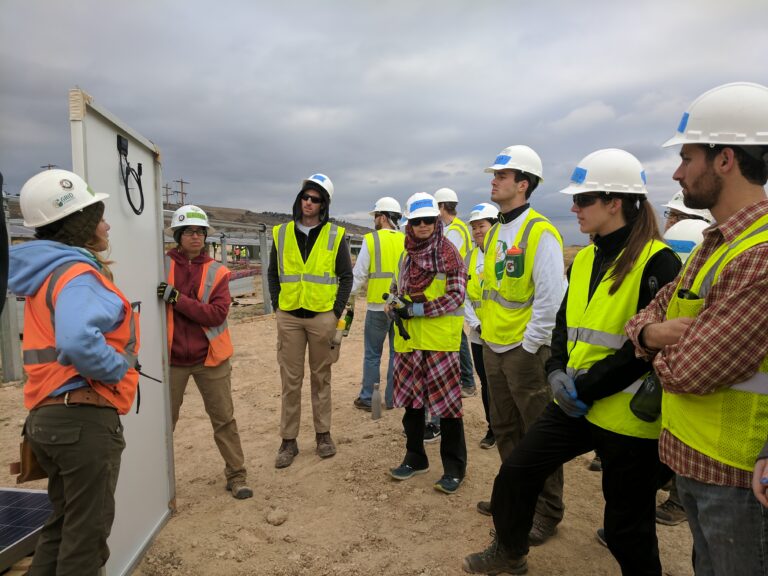
The Coyote Ridge Community Solar Garden is a partnership between GRID Alternatives and Poudre Valley Rural Electric Association (PVREA),...
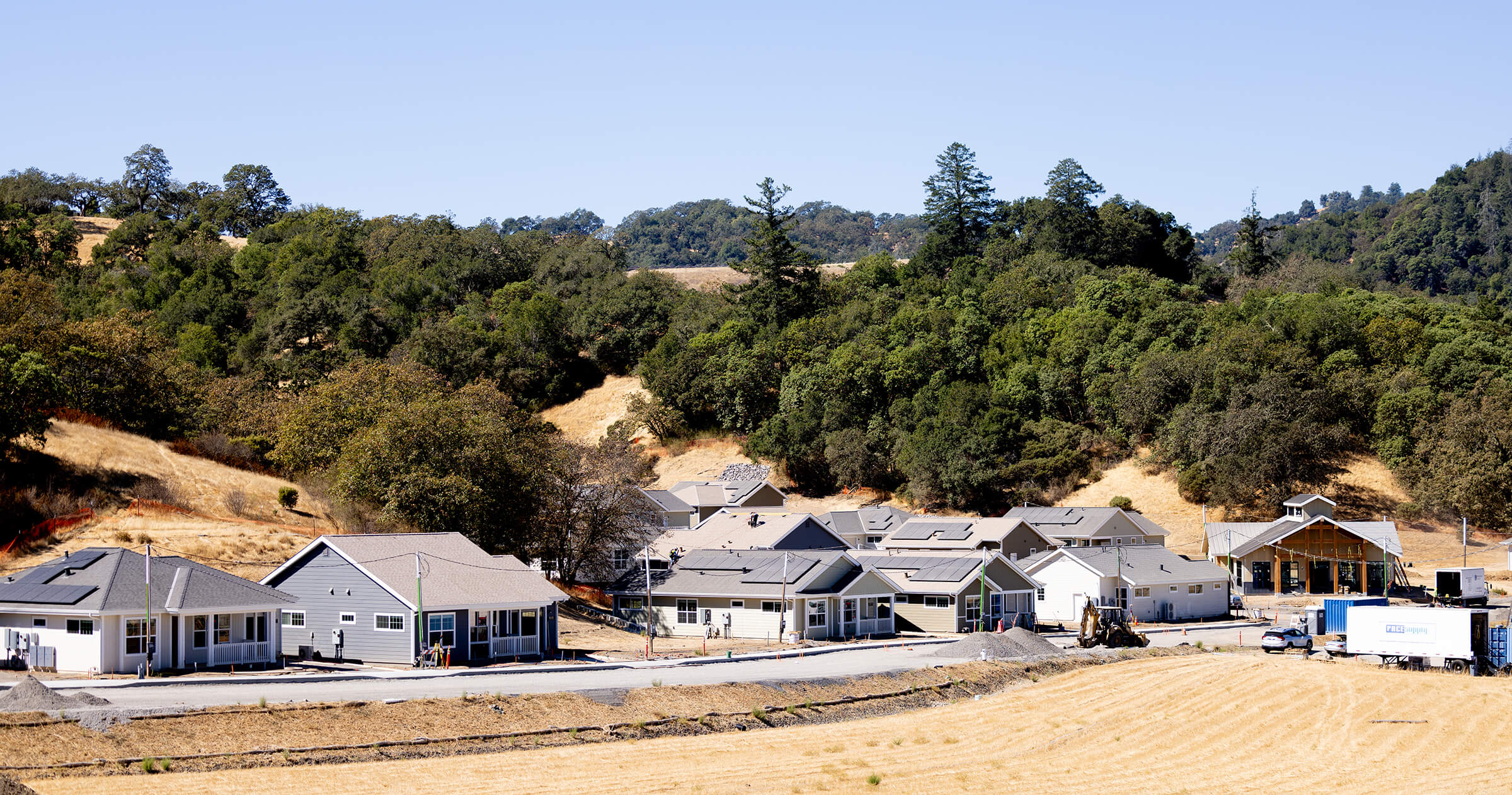
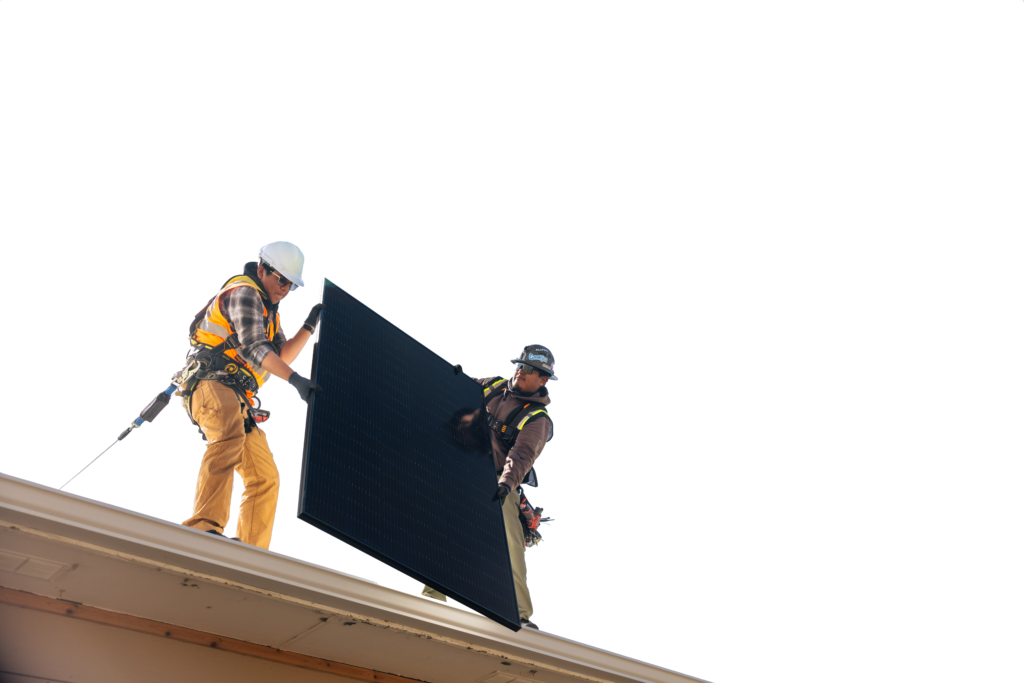
Installation Services
Community solar offers the benefits of solar power without putting panels on your own roof. Instead, you subscribe to a shared array of solar panels, called a community solar garden, built in a location that gets strong sun exposure. The community solar garden sends electricity into the local utility grid, and your utility credits your bill for your share of the power it produces. That means you can save money and use clean energy, even if solar panels aren’t on your own home.
One third of all U.S. households are renters and about half of renters are considered cost-burdened. Community solar is a way for anyone to go solar – regardless of whether they own their home or not – while also providing households with an opportunity to reduce their monthly electricity costs.
GRID's Role
GRID Alternatives is a national leader in community solar; serving as a developer, installation contractor, project and program planner, workforce development partner, and policy leader.
What We Do
GRID builds community solar programs that expand clean energy access for income-qualified households nationwide.
Project development & installation
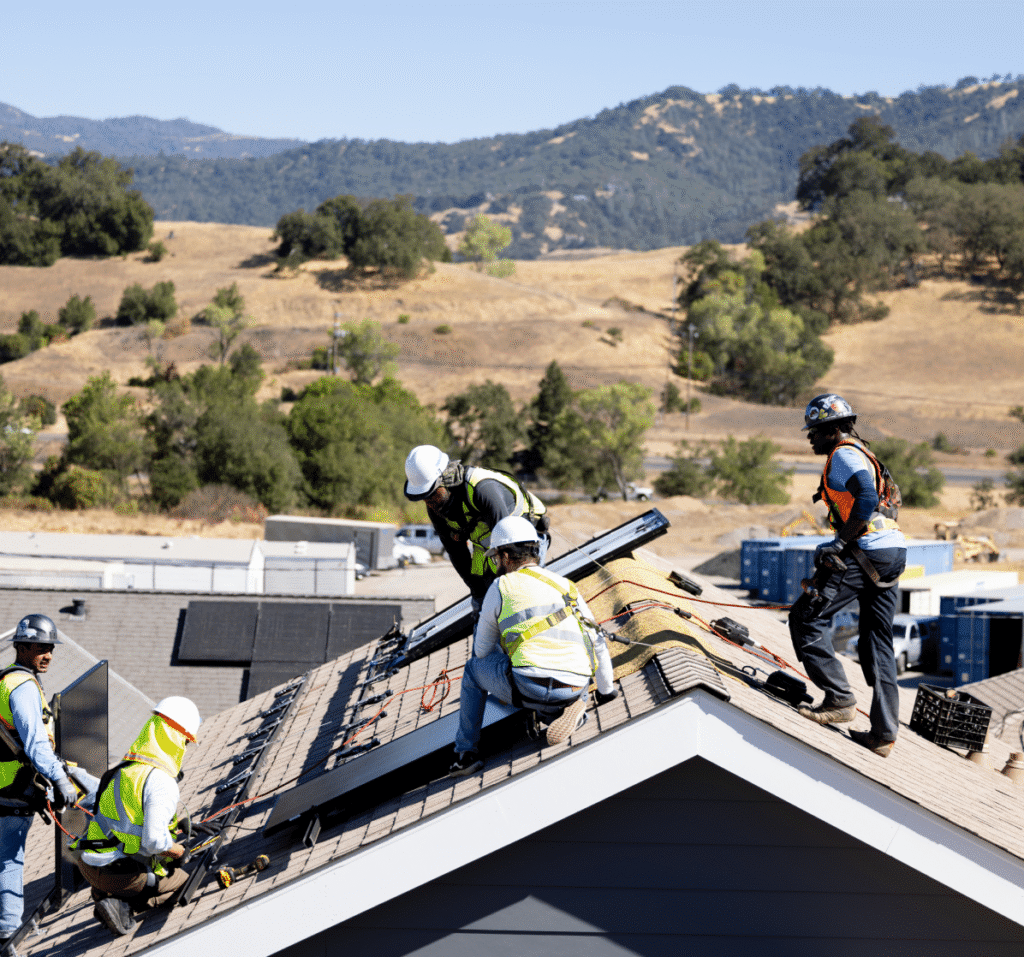
Development, installation, and management of community solar projects that benefit income-qualified households, affordable housing providers, environmental justice partners, and underserved communities.
Partnerships with industry
Direct partnerships with solar industry contractors to develop community solar programs for income-qualified households, including engineering, procurement, and construction (EPC) services that integrate workforce development and drive community benefits.
Utility program design
Program design and project implementation services for utilities across the nation, spanning cooperatives, municipal power, and investor-owned utilities.
Workforce development
Community solar workforce development and training programs focused on underserved and underrepresented communities.
Policy leadership
National and state regulatory and policy leadership and program development. In partnership with Vote Solar, GRID maintains best practices in community solar policy through the Low-Income Solar Policy Guide.
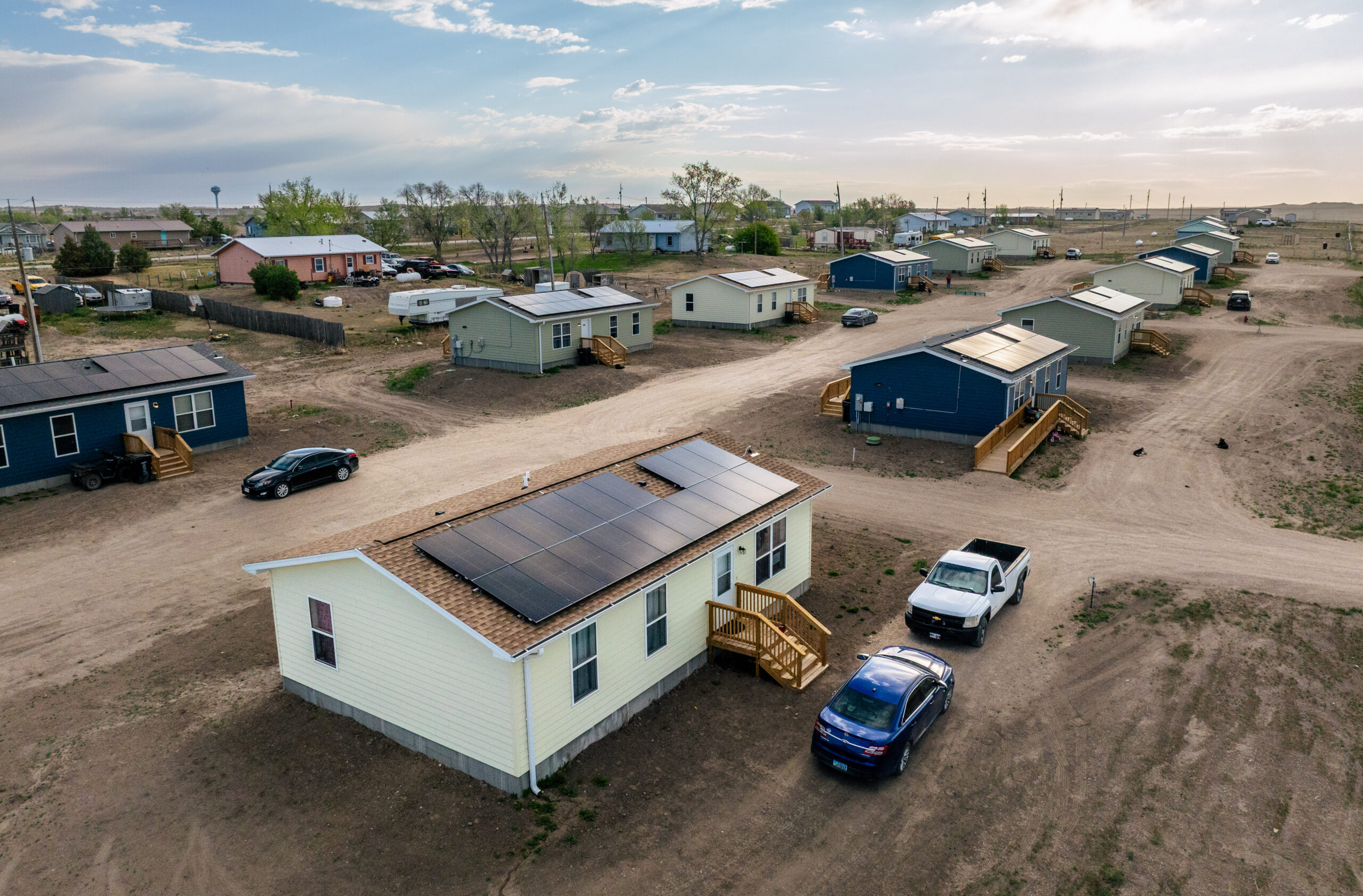
The Coyote Ridge Community Solar Garden is a partnership between GRID Alternatives and Poudre Valley Rural Electric Association (PVREA),...
Ballasted Racking
Ballasted solar racking uses heavy weights, such as concrete blocks or sand, to hold panels in place without drilling or ground anchors. Ballasted racking provides a significant advantage for solar installations at sites where ground penetration is not feasible or desirable. This can include brownfields and landfills with hazardous or corrosive soils, as well as environmentally or culturally sensitive areas, such as sacred tribal lands, where subsurface disturbance may be restricted.
Solar Fences
Solar fences consist of vertically oriented solar modules similar to a conventional fence. The solar generation from solar fences tends to dip at high-noon, but produce well during morning and afternoon hours. These installations are well suited for difficult terrain such as agrivoltaic applications and sloped land.
GRID Alternatives supports direct community ownership of large solar installations and the local wealth-building opportunities they can provide in disadvantaged communities. Some options for bringing community-owned solar to your area include:
| Utility | Size (DC) | Project Location | Partners |
|---|---|---|---|
| Black Hills Energy | 1.5 MW | Pueblo West, CO | Black Hills Energy |
| Anza Electric Cooperative | 994 kW | Santa Rosa Reservation, CA | Santa Rosa Band of Cahuilla Indians |
| Potomac Electric Power Co. (Pepco) | 2.65 MW | Washington, DC | Washington, DC |
| Black Hills Energy | 2.0 MW | Pueblo, CO | Pueblo Housing Authority & Arevon |
| Xcel Energy | 200 kW | Boulder, CO | Boulder County & Boulder Housing Partners |
| Xcel Energy | 628 kW | Boulder, CO | Boulder Housing Partners |
| Empire Electric Association | 1.0 MW | Ute Mountain Ute Reservation, CO | Towaoc / Ute Mountain Ute Tribe |
| Xcel Energy | 2.0 MW | Aurora, CO | Denver Housing Authority & Namaste Solar |
| Poudre Valley Rural Electric Association | 1.5 MW | Fort Collins, CO | Colorado Energy Office |
| Fort Collins Utilities | 65 kW | Fort Collins, CO | Colorado Energy Office |
| San Miguel Power Association | 200 kW | Telluride, CO | Colorado Energy Office |
| Yampa Valley Electric Association | 148 kW | Steamboat Springs, CO | Colorado Energy Office |
| Holy Cross Energy | 145 kW | Glenwood Springs, CO | Colorado Energy Office |
| Delta Montrose Electric Association | 151 kW | Montrose, CO | Colorado Energy Office |
| Empire Electric Association | 26 kW | Cortez, CO | Colorado Energy Office |
| Grand Valley Power | 136 kW | Grand Junction, CO | Colorado Energy Office |
Community Storage works much like a traditional Community Solar Garden, with one key difference: instead of receiving credit for solar output alone, you benefit from the output of a battery. This makes Community Storage a strong option for consumers and electric utilities facing high electricity costs, such as demand charges, during peak usage periods on the grid.
In 2026, GRID Alternatives published the Technical Guide to Community-Owned Agrivoltaic Solar Gardens in partnership with the Colorado Department of Agriculture. This guide provides step-by-step instructions for building community-owned agrivoltaic solar gardens in Colorado. “Agrivoltaics” means combining solar energy production with active farming, such as growing crops or grazing livestock. The guide shows how these dual-use projects can protect Colorado’s rural heritage while advancing clean energy goals. It also emphasizes local ownership and control, so the financial and environmental benefits stay within the community.
View the Guide(this link opens in new window)
Partnerships
Community solar at scale takes a coalition: utilities, governments, Tribes, housing providers, capital partners, environmental justice organizations, and the for-profit solar industry. GRID partners with all of them.