 Policy & Advocacy
 From Running the Program to Shaping the Policy
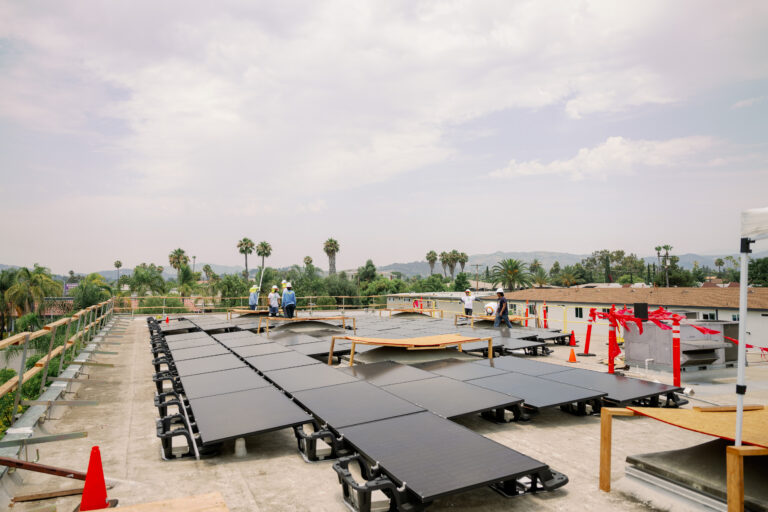
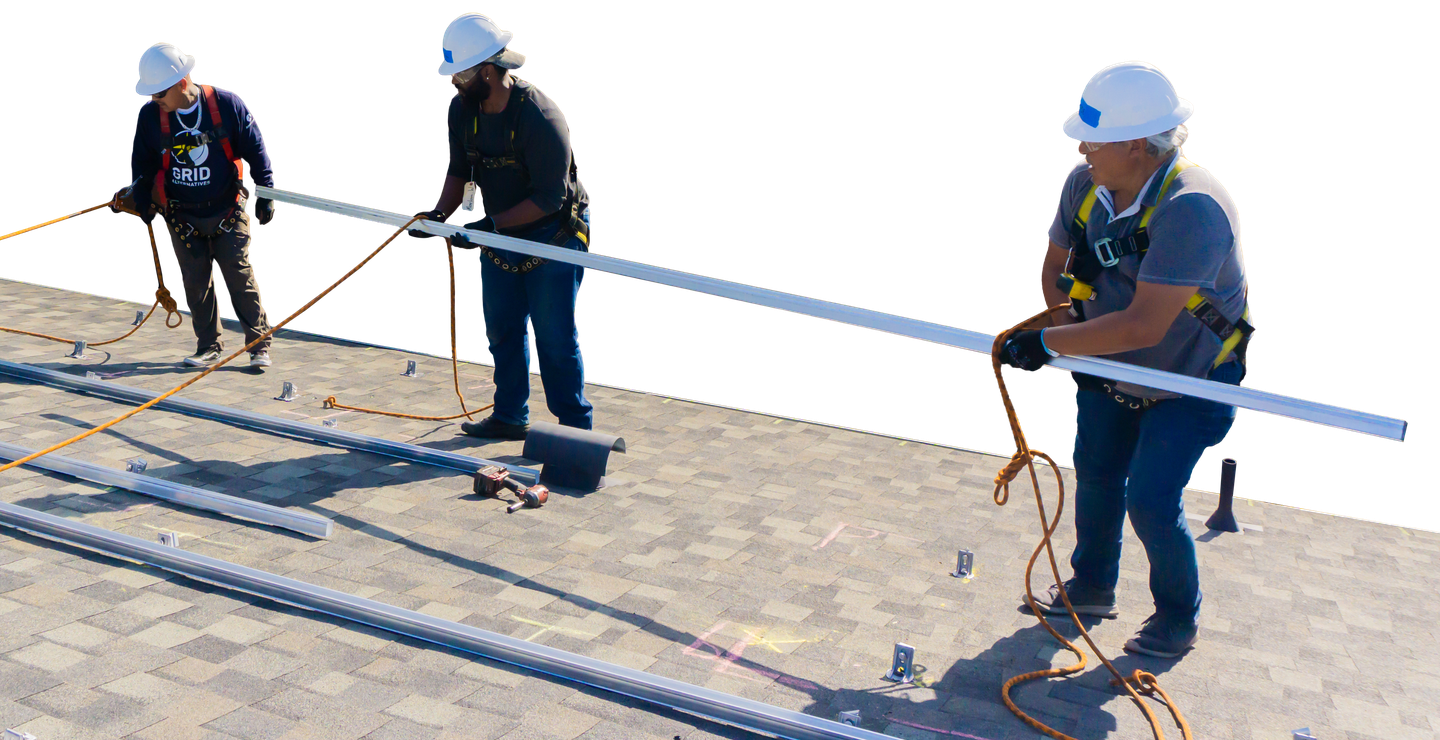
Some of GRID Alternatives' strongest policy wins didn't start in a hearing room. They started on rooftops. In 2008, the California...
Our Work
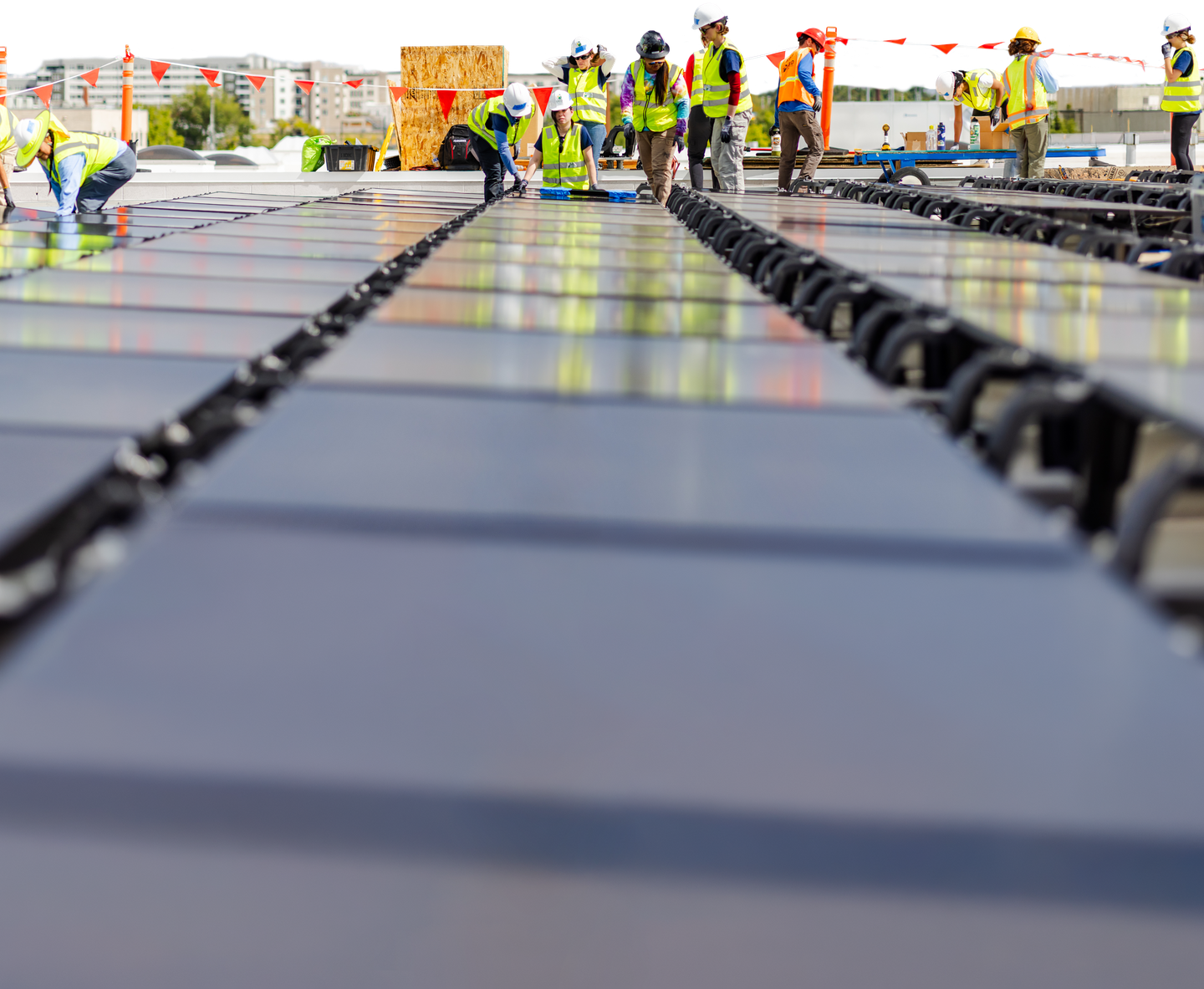
We don’t just call for change. We do the work.
We have more than 20 years of experience working with city governments, state agencies and legislatures, and federal lawmakers, so we know what helps and what gets in the way and we bring that experience to every policy conversation.
Our Policy & Advocacy Impact
$1 billion+
in energy bill savings expected for low-income households over the life of the California multifamily solar program that GRID administers.
20 programs
shaped or created by GRID’s policy team to date.
15 states
+ DC and Puerto Rico, where GRID has directly shaped clean energy policy.
20 bills
and funding proposals supported, 9 won in 2026 so far.
Our dedicated team of policy professionals bring GRID’s expertise as an implementor to the policy and advocacy arena. We create and disseminate policy resources, educate candidates and elected officials on key issues, and collaborate with fellow advocates and community members to advance shared goals. We engage directly in legislative and regulatory advocacy in states where GRID is active, as well as at the local and federal levels where we can move the needle.
Rooftop and Community Solar, Plus Storage
We work to make solar power and battery storage accessible to everyone, whether it’s on the roof of your home, on your apartment building, or shared with your neighbors through a community solar program or local resilience hub. These tools help families save money and stay powered up when the grid goes down.
Clean Mobility
We use our on-the-ground expertise to inform funding and programs that bring electric vehicles, affordable EV charging, and other clean transportation options to the communities that need them most.
Workforce Development
The renewable energy industry is growing and it needs skilled workers. We push for funding and policies that create paid job training opportunities and open the door to high-quality, lasting careers for those who are too often left out of the clean energy economy.
Consumer Protection
As more families turn to solar and clean energy, we work to make sure clear rules are in place to protect them. That means protection from unfair lending and misleading sales practices, so customers can know what they are signing up for and trust the services we provide.
Tribal Energy Sovereignty
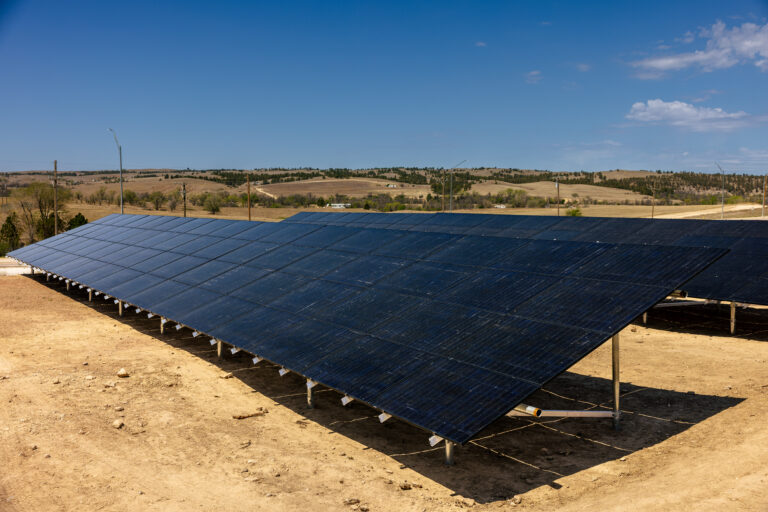
We support Tribal Nations’ right to lead their own energy future. Our advocacy champions Tribal sovereignty and works to remove barriers that make it harder for Tribes to build the clean energy projects they choose.
Protecting and Growing What Works
Good programs need defending just as much as they need developing. We work to protect the clean energy programs already serving our communities, while also advocating for growth and improvement.
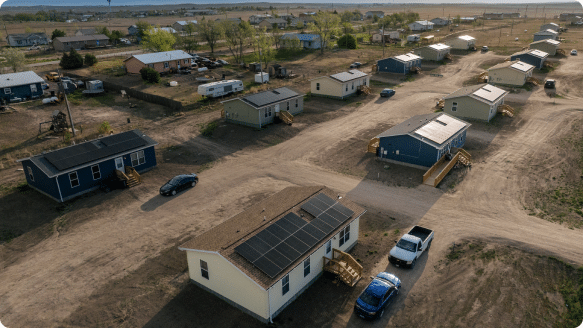
GRID Alternatives collaborated with partners to shape legislation enacting a new statewide effort to deploy rooftop solar. GRID helped secure dedicated funding for new low-income solar programs as part of the Initiative, which led the California Public Utilities Commission to establish the Single-Family Affordable Solar Homes (SASH) program in 2007.
California chooses GRID Alternatives to administer the SASH Program, the state’s first program that helps income-qualified families add solar power to their homes.
GRID Alternatives and Vote Solar publish the Low-Income Solar Policy Guide, a guide designed to help lawmakers build fair solar programs for families with lower incomes. The District of Columbia established a “Solar for All” program to increase access to solar power benefits, with the goal of reducing the electric bills of at least 100,000 district low-income households by at least half.
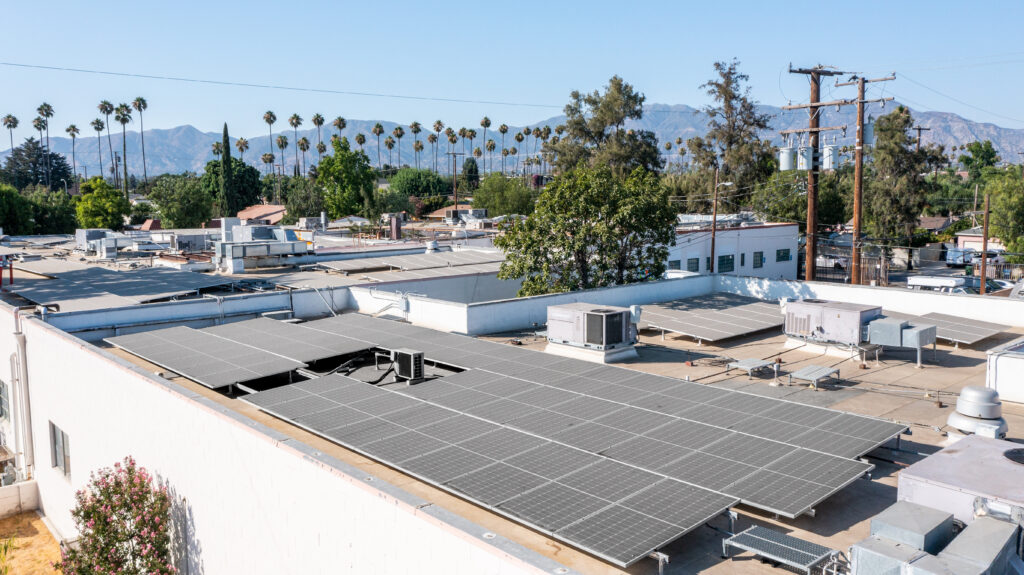
California launches two new programs championed and administered by GRID in the same year: the Disadvantaged Communities - Single-Family Solar Homes (DAC-SASH) program, which brings solar to income-qualified homes in communities that are disproportionately affected by pollution, and the Solar on Multifamily Affordable Housing (SOMAH) program, which makes solar more accessible to renters in affordable apartment buildings.
GRID finishes running the state’s first low-income solar program (SASH) after installing solar on nearly 10,000 homes.
An evaluation of GRID’s Disadvantaged Communities - Single-Family Solar Homes (DAC-SASH) program finds that families saved an average of 64 percent on their monthly electric bills, with 90 percent of participants reporting satisfaction with their solar installation.
GRID and partner groups advocate successfully at the Public Utility Commission to triple solar incentives for income-qualified households and expand access to community solar.
Our Principles
Our work is guided by two core principles of justice. These principles shape every policy decision we make – informing which issues we take on, who we partner with, and what success looks like.
Communities that experience the greatest burdens of environmental injustice deserve proportionate benefits of the clean energy transition that consider the additional harms these communities have faced.
Many are shut out of the policy processes that shape the world that they live in. We work to amplify community-led advocacy and to change decision-making structures so affected voices can be heard directly.
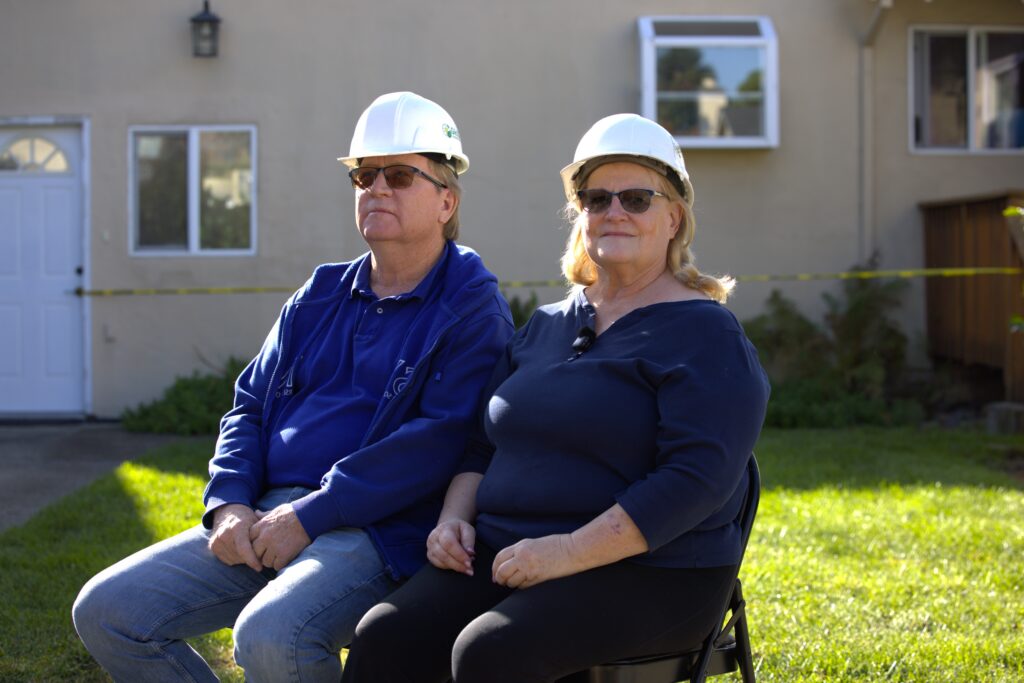
When California needed someone to run its first low-income solar program, the state chose GRID. Since then, we have helped build several major solar programs that other states now look to as a model.
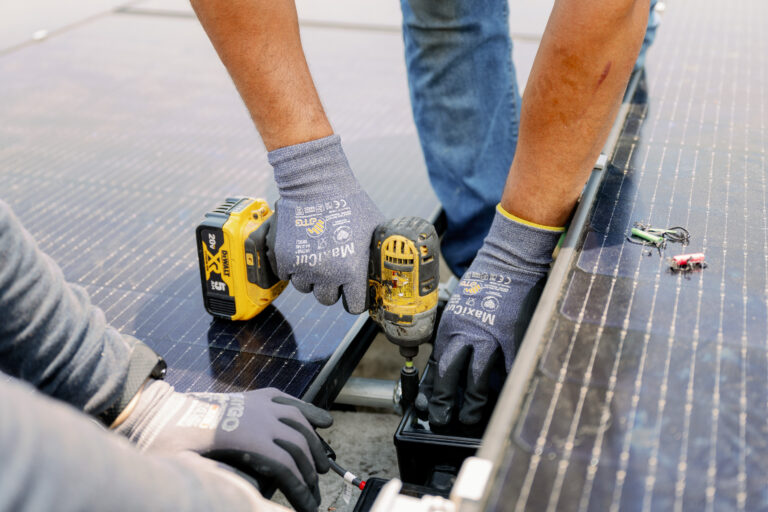
What we learn on every solar installation feeds the policy work that funds the next.
Policy & Advocacy Some of GRID Alternatives' strongest policy wins didn't start in a hearing room. They started on rooftops. In 2008, the California...
 Policy & Advocacy
 In 2016, GRID Alternatives partnered with Vote Solar and the Center for Social Inclusion to launch the Low-Income Solar Policy Guide, a...
 Policy & Advocacy
 In spring of 2026, the Colorado Public Utilities Commission approved a new plan that will bring stronger solar and battery incentives to...
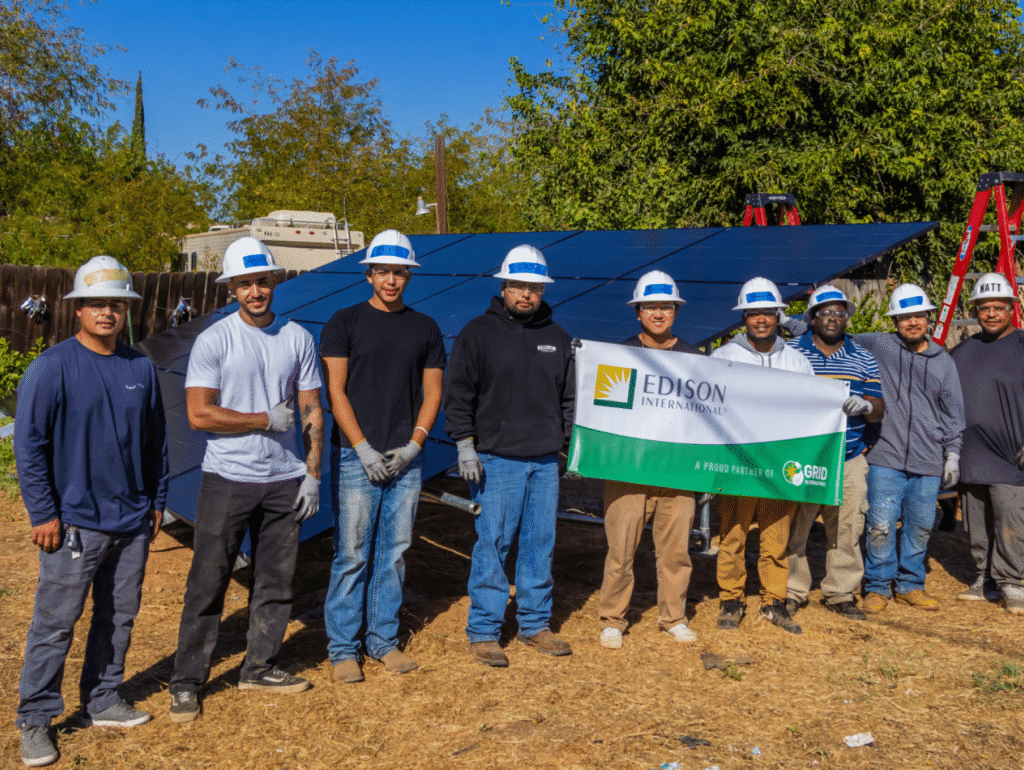
Policy wins matter most when they reach the people they’re meant to help. That’s why GRID partners with community-based organizations that are already trusted in their neighborhoods.
We provide funding, training, and support so these organizations can connect their communities directly to clean energy programs, and we help shape how those programs are designed in the first place.
Featured Resource
A decade of equitable solar lessons, in one place
Maintained with Vote Solar, this guide has helped policymakers, regulators, utilities, and community leaders build fair access to renewable energy since it first launched in 2016. GRID and Vote Solar are now collaborating on a major update to reflect how the past decade’s lessons shape modern energy policy.